Life at Twipe
My internship at Twipe: Aleksi’s showtime at the Digital Growth Summit 2026
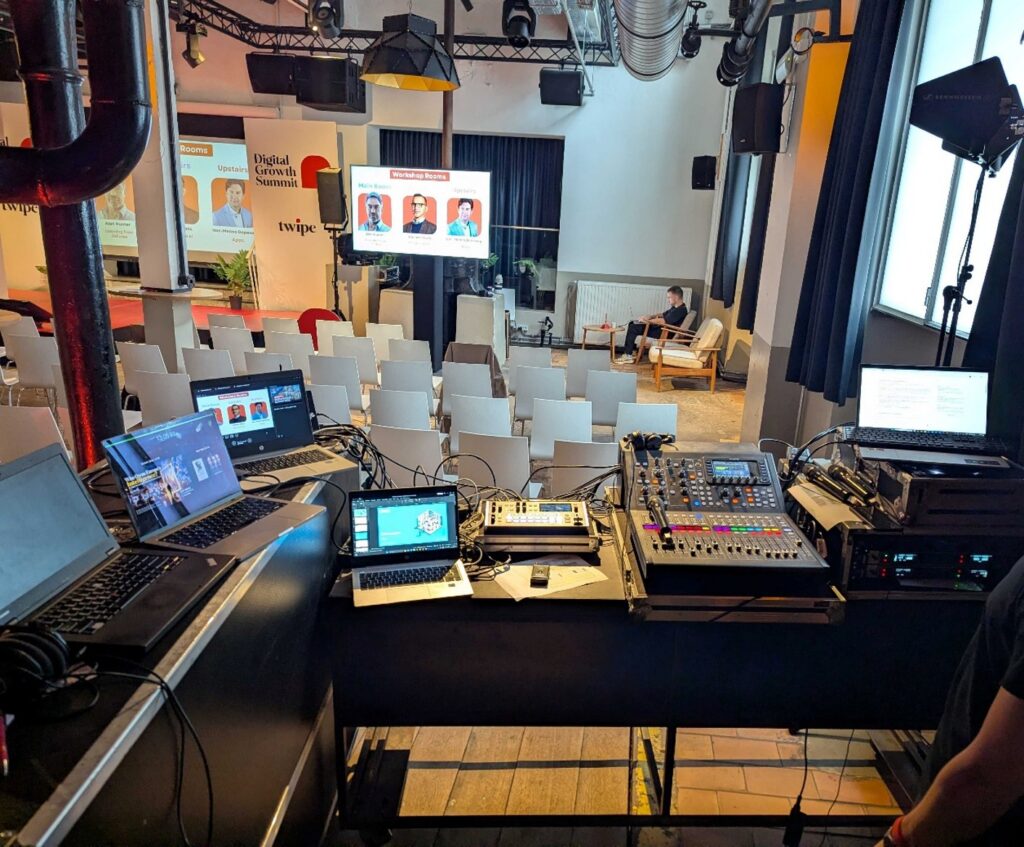
The venue lights dimmed, the first slide came on the big screen, and the sound guy next to me cracked a joke as the opening music started playing. I laughed harder than I should have, partly from relief, partly from the joke being very funny indeed. Months of preparation by the whole team at Twipe was finally coming to fruition in front of a full room. And from behind the technical desk at the Digital Growth Summit 2026, I could watch it all come together.
When I interviewed at Twipe, I was told that people here wear many hats. I nodded along. I did not expect that one of mine would be running a live show, and I definitely didn’t expect to excel at it as much as I did.
An Internship built around me
The thing that has surprised me most about Twipe is how often I’ve been asked what I actually want to learn. It started with a 1:1 with my direct supervisor during my first days, came up again at my mid-internship review, and kept coming up in between. It wasn’t a box-ticking exercise either. I was suggested real options, with some having materialized more concretely than others.
My first step was getting my hands dirty with the Digital Growth Summit’s marketing, preparation, and sales. Next came joining sales calls and doing background research on potential clients. After that, I exposed myself to Twipe’s products and how the “sausage” gets made, so to say. Put together, I think that this was truly a holistic way to get exposed to the different aspects of business development during a short internship period. It’s a rare thing to get all that as an intern, and I didn’t have to fight for it. I just had to say I was interested and be ready to step up when new things were thrown at me.
The grind, by choice and by necessity
Not everything was glamorous. Before the summit, getting my hands dirty meant a long marketing, sales, and preparation push: updating and growing our lead list, hunting for prospects on LinkedIn and elsewhere, writing outreach emails, creating graphics, and building the presentation decks for the event.
Marketing and design are not my natural strengths, and I knew that going in. It was discussed from the start, and taking them on was partly by choice and partly by necessity, but I wanted to challenge myself. And what a challenge it was. Luckily for me, every challenge grows you, and I think I was able to meet the high bar set for me.
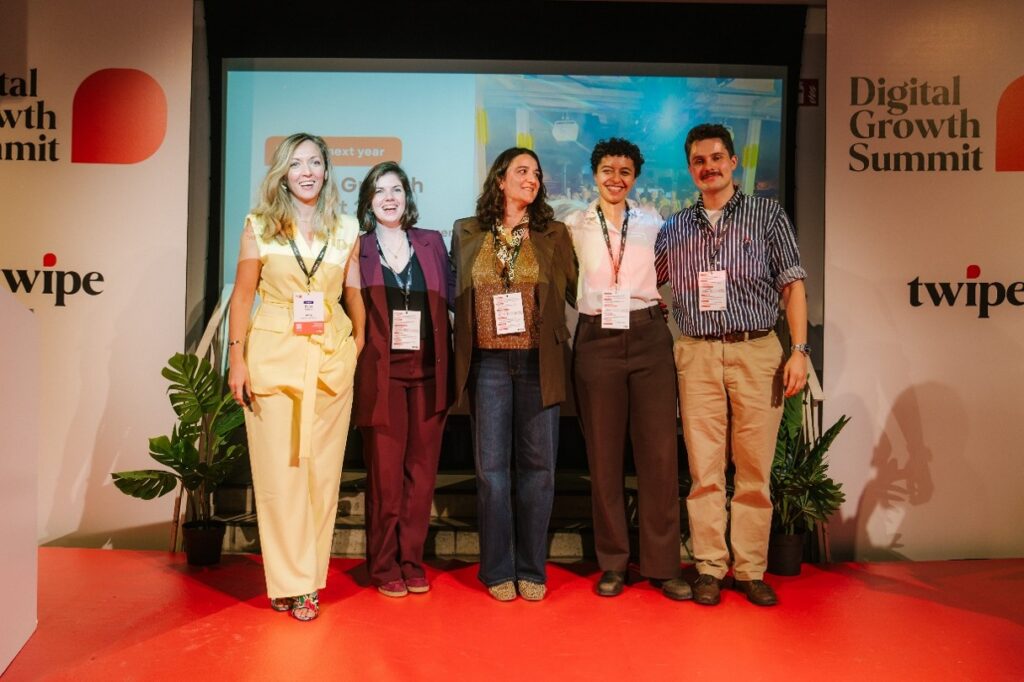
What interning at Twipe taught me
Find the real problem before you fix it
During the summit’s preparation phase, one of our outreach channels simply wasn’t delivering. Instead of pushing harder, we stopped and did a proper root cause analysis. We found the problem, and we also realized that fixing it properly wouldn’t fit our timeline. So we pivoted to other channels, hit our goal that way, and came back to fix the original issue once the pressure was off. Knowing when not to fix something is a skill in itself.
Measure twice, cut once
I learned this the slow way. Doing things properly the first time often feels slower, but it is always faster in the long run. Slow is smooth and smooth is fast. Every shortcut I wanted to take would have come back as extra work later down the line, exactly when there was no time for it.
Ownership makes everything easier
I built the master deck for the whole summit and went through every speaker’s presentation myself multiple times. On the day, that meant I always knew what was on screen, what was coming next, and what could go wrong. Because I was able to own the technical side of the summit’s main program, everyone else could focus on their own part of the show.
Insights from the industry
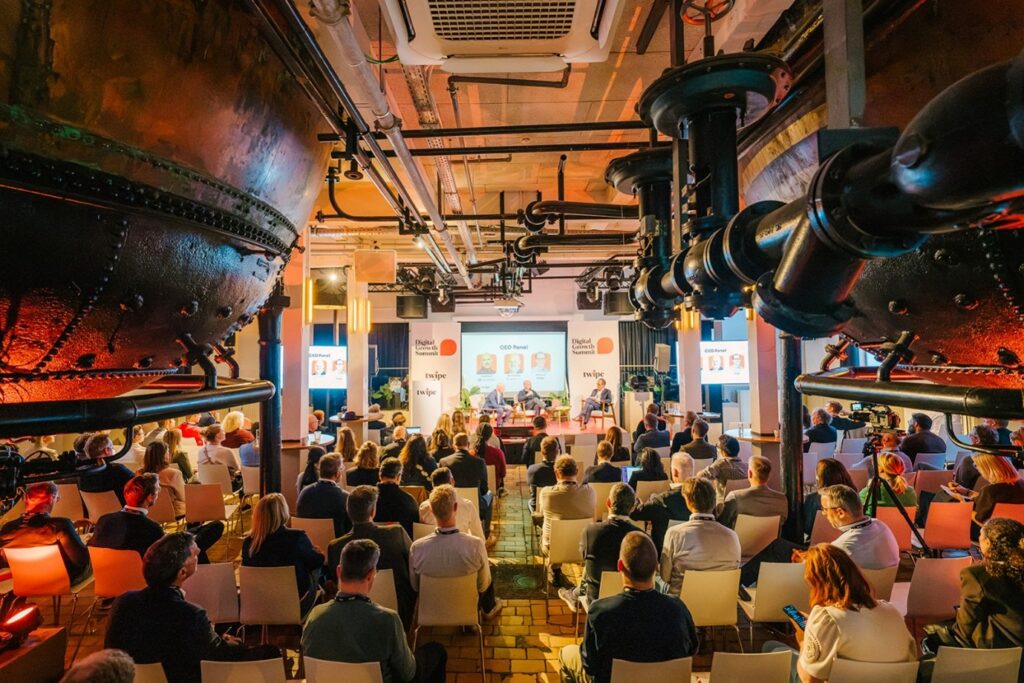
I cannot forget about the great speakers during the summit. I think I learned in one day more about the future of the news industry and the technologies affecting it than I could in a month’s worth of reading. A special mention needs to be given alongside big thank you’s to Sebastian Krause for his fantastic presentation on the Kleine Zeitung’s pivot and new approach in the current zero-click era.
Thirty minutes to showtime
That ownership was put to the test during the event. Thirty minutes before the start of one of the blocks, we had two last-minute deck changes, presentations in three different formats that didn’t work well together, and a MacBook that didn’t have the connections the venue’s AV system needed to run at full functionality.
Live events always throw curveballs. Being able to prioritize came in handy: some things had to work immediately, some could wait for the next break, and some could be patched on the fly. First things first, then the rest. It’s the same instinct as the root cause analysis, just faster.
That’s where I think I’m at my best: thinking on my feet, thinking few steps ahead, and connecting things that don’t look related at first. By the time the next speaker stepped onto the stage, the show ran as intended, and I was behind the desk laughing at the sound guy’s jokes (Thank you for the collab, Darrell!).
Thank you’s
None of this happens alone. A huge thank you to Sarah for the guidance and feedback throughout the whole period so far. Thank you to Dana for getting me involved in projects far and wide and making sure I strive for better. And of course, thank you to Femke, Eveline, and Danny for working together on the summit; it was a great journey.
I’m looking forward to what the future brings and for me the internship had a happy ending. I am proud to say that I will continue my collaboration with Twipe as a young grad business developer. There is still so much to learn, and I am excited for it.
And if you’re a student wondering whether to apply to Twipe: Yes, I think you should, but only if you are ready to learn and get exposed to the news and tech industry like nowhere else. Just be ready to wear multiple hats🎩
Other Blog Posts
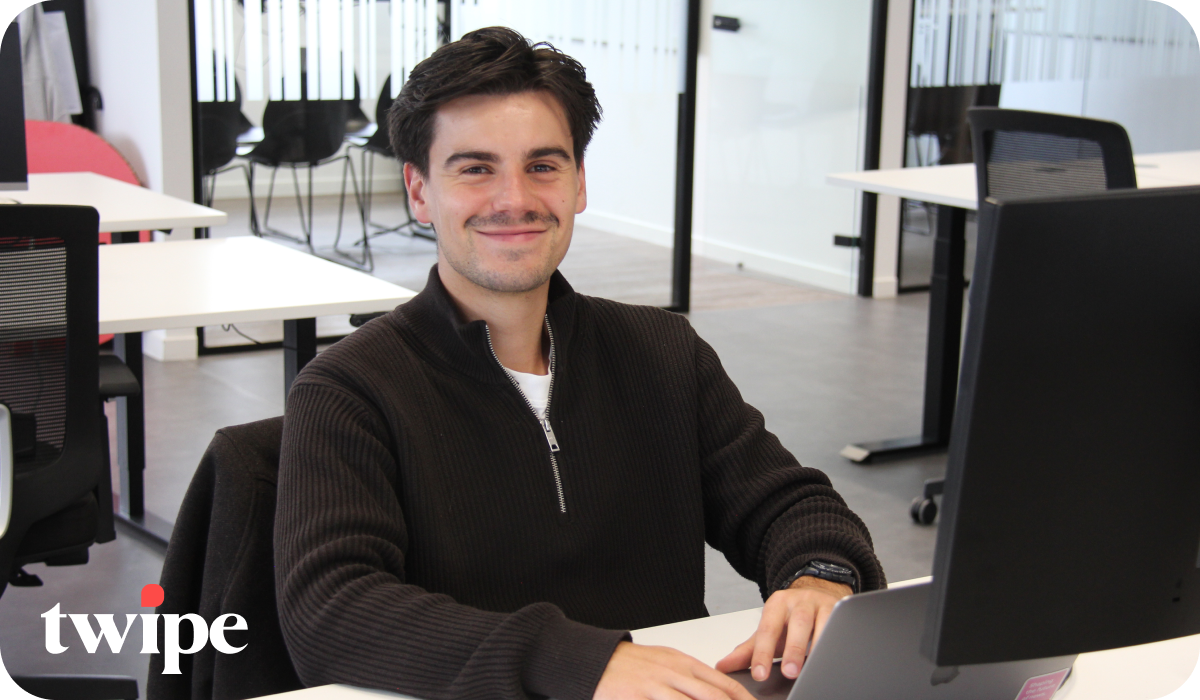


Stay on top of the game
Join our community of industry leaders. Get insights, best practices, case studies, and access to our events.
"(Required)" indicates required fields