Are apps going the same way as print?
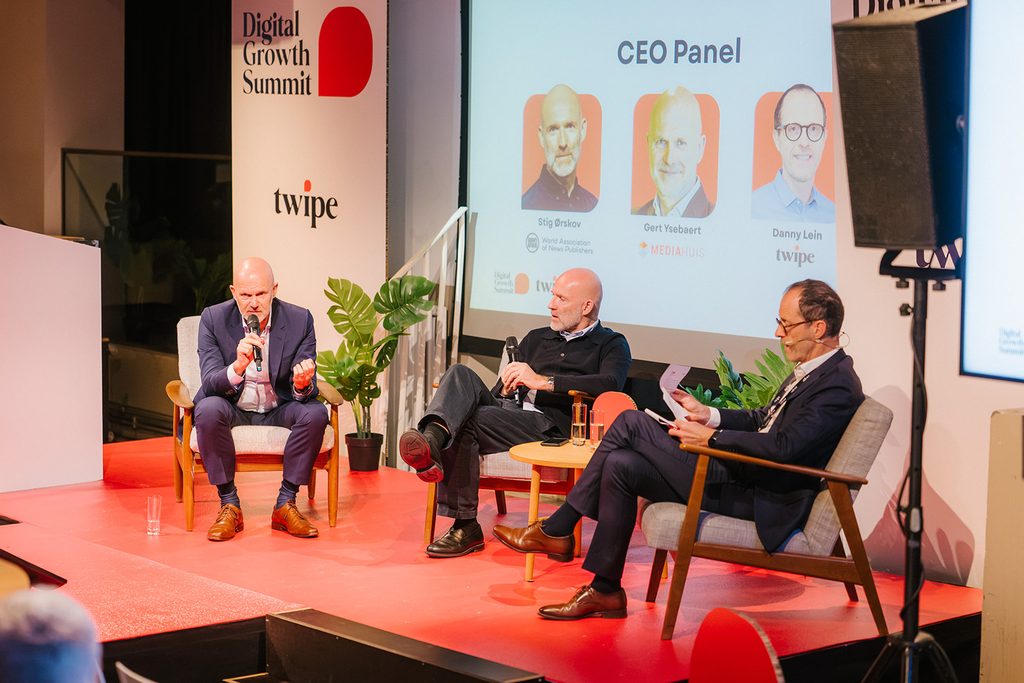
Han-Menno Depeweg, Chief Digital Officer at Mediahuis Group, and Gert Ysebaert, the group’s CEO, both think they might be. Both said so at the ninth Digital Growth Summit, which ran on 15 October, 2026 at De Hoorn in Leuven.
At the same conference, Nic Newman (Senior Research Associate at the Reuters Institute for the Study of Journalism) gave the room an additional reason to take the question seriously: Across the 48 countries in the Digital News Report, news websites and apps are the first choice of no age group at all.


Put those together and you get an uncomfortable forecast. Publishers have spent fifteen years managing print’s decline and will spend the next few managing the app’s.
But it’s not all doom and gloom. While the medium is changing, the habit isn’t. For instance, what was once 15 minutes of reading is now 15 minutes of listening on the bus, watching on a phone, or opening a newsletter on the way to the kettle.
The habit outlives the medium every single time. Two arguments for why that’s the thing to build on.
“We didn’t create a podcast, we designed a ritual.”
Let’s start with the fact that this has already happened once: the medium shifted and the habit stayed. The print habit didn’t die when print declined, and print continues to be a pillar of news organisations’ products despite predictions that it would be all but done by now. In short, habits are sticky, especially for a product as vital as journalism.
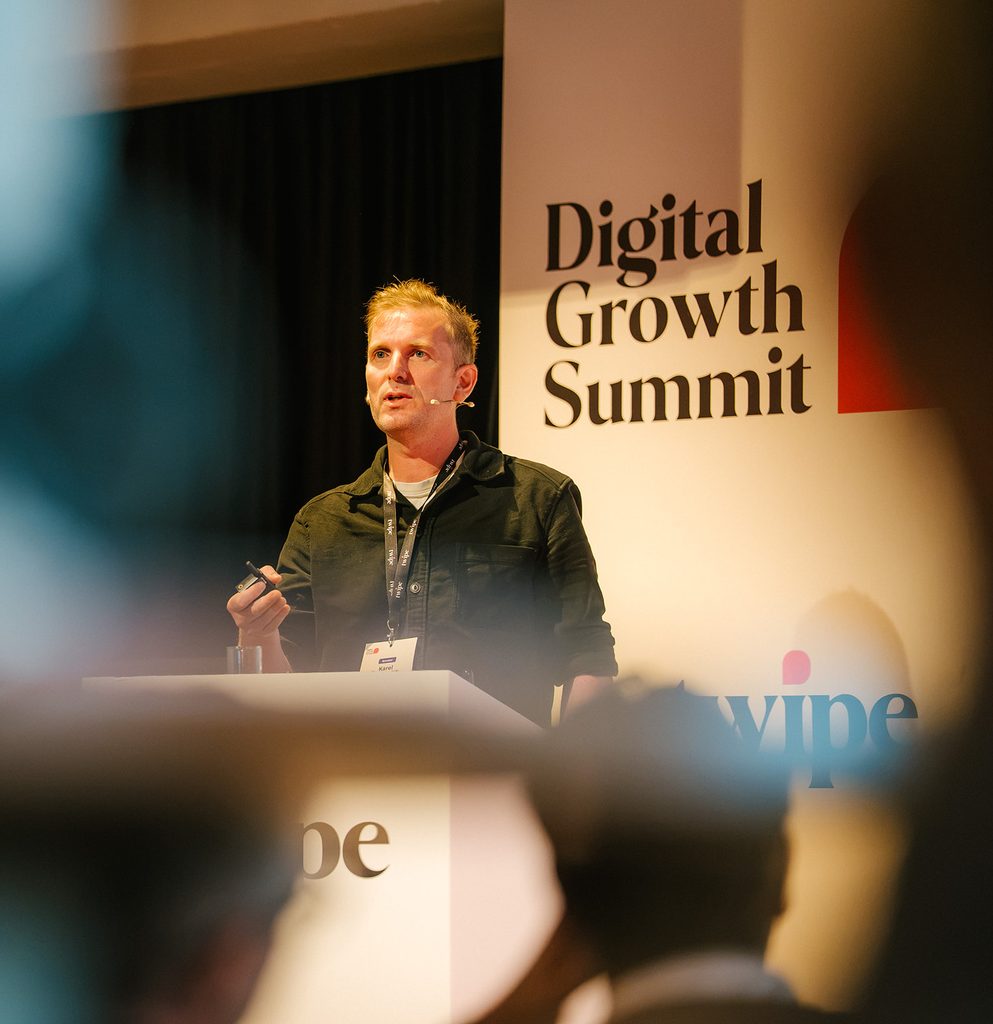
What changes, particularly in this zero-click world, is the medium. Karel Dierickx, Head of Audio & Video at Mediafin, gave us an example in Leuven. He talked about De 7, De Tijd’s daily audio briefing. It has landed at 7 AM every weekday since January 2022: fifteen minutes and seven stories, with the same host every morning. Same slot, same promise that when you’re done you’re caught up — basically the same promise as the finite paper or e-paper product. The only new thing about it is the medium.
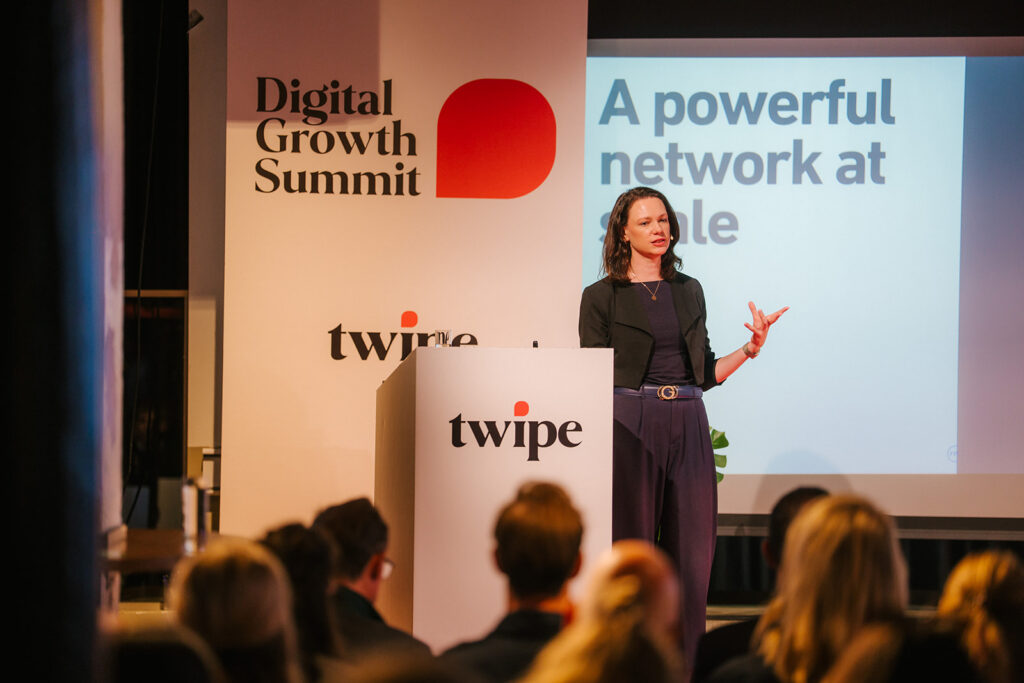
RND’s “5 in 5” went the other direction with the same habit, and its origin makes the point even harder. It was invented by a small Brandenburg newsroom that had just lost its print edition. It offers five stories every morning that are readable in five minutes. Lina Timm, Managing Director at RedaktionsNetzwerk Deutschland, standardised it across the group, where it grew into 76 newsletters with over a million subscribers and open rates that never drop below 40%.
Both publishers took a habit that is older than podcasts and newsletters and rebuilt it in whatever medium their readers were already using. They invested in the appointment itself: a short, finishable catch-up at a fixed time of day. The format came second, picked to fit where the audience already was.
Habits pay
Every publisher has two kinds of audience. There are the people a platform sends you, and there are the people who come back on their own. The first group is usually bigger and cheaper to reach, and it belongs to whoever is doing the sending. The second group is smaller and slower to build, and it’s yours. So is the revenue attached to it.
Audiences you’re sent can be taken away without notice, and this summer they were. Austrian publishers, Kleine Zeitung among them, lost 70 to 80% of their Google traffic almost overnight. Nothing about their journalism had changed. Someone else changed an algorithm.

A habit can’t be taken off you that way, and it shows up in the one number that compounds. Readers who get an RND newsletter stay subscribed 64% more often, and they stay around 55% longer. Lina Timm’s team built it to win new readers and got paid in retention.
Karel Dierickx put the principle plainly: recurrence is king, and the relationship matters more than the downloads.
That changes what’s worth commissioning. Sebastian Krause, Head of Product & Data at Kleine Zeitung, took click counts off journalists’ dashboards and now puts every pitch through one test: “We ask, what is it that only you can tell? If the answer is nothing, it’s not a story.”
A reader comes back to you by name for the thing nobody else has. If the same story is available from an agency or a chatbot, they’ll take whichever one is nearest to hand.
So, are apps going the same way as print?
Maybe, but that should worry you less than it sounds, because print is the reassuring precedent here. It lost its primacy and kept its relevance, and it’s still earning for most publishers long after the obituaries started. Apps will do the same. The loyal core is in there and it isn’t going anywhere soon.
That said, it’s worth looking at what comes next, because the relationship an app carries is what pays for it. That’s a reason to keep investing in the app, not a reason to walk away from it.
The thing to avoid is assuming the habit lives in the app. So the question for a product team isn’t how many years are left on the clock. It’s whether the habit inside could move if it had to.
Other Blog Posts



Stay on top of the game
Join our community of industry leaders. Get insights, best practices, case studies, and access to our events.
"(Required)" indicates required fields