Twipe Insights
How Le Monde Reached 90% Digital Subscribers — and 4 Other Lessons from beBETA26
beBETA26 was a reminder of why in-person still matters: There are insights you can only get face-to-face, and two days with customers, partners, and peers in Berlin did just that.
Whether you were there or you couldn’t make it this year, here are the five insights that stayed with me.

1. We’re entering the very early days of AI maturity
A few years from now, we’ll probably find it naive to be marking this as a milestone. But looking back at where we were with AI in 2023, it’s clear the technology — and our relationship with it — has matured considerably.
Charlotte Morré, Head of Digital at Handelsblatt, said as much in her session. They’ve moved from the chaotic AI experimentation of 2023 to a more methodological adoption: defined workflows, clear ownership, measurable outcomes.


What I found most interesting was her take on adoption. At Handelsblatt, roughly a third of staff have genuinely embraced AI in their daily work. A third are neutral. A third aren’t engaging much at all. Her point: that’s a normal distribution, and chasing 100% uptake is the wrong goal. Focus on the third already running with it, deepen their capabilities, and let the results do the convincing for everyone else.
2. How 90% of Le Monde subscribers became digital
Lou Grasser, Chief Digital Operations Officer at Le Monde, gave the standout session for me.
Today, 90% of Le Monde’s subscribers are digital. In 2027, newsroom costs will be covered by digital revenue alone. For publishers still working through the logic of whether digital subscriptions can actually sustain a newsroom, this is what the answer looks like.

How did they get there? Through a disciplined focus on understanding which products and features generate the most lifetime value — and then doubling down on those.
One finding was Duo and Family plans, which now account for 40% of all subscriptions. Bundling embeds the product into household routines in a way individual subscriptions rarely do.
Another finding was where high-LTV readers were actually spending their time: Le Monde Masterclasses, Le Monde English, Games, and the digital edition. Ignaz van Hasselt, Director of Europe at Mather Economics, offered the explanation: readers value the overview, the depth, and the finishable format. In a world of infinite scroll, the ability to finish a product — to reach the end of an edition and be done — is genuinely rare. At Twipe, we see this in our own customer data. Publishers who treat the digital edition as a primary subscription product, not a legacy holdover for print readers, see better retention.
3. Newsletters done right look a lot like product

In a similar vein, Lina Timm, CEO of Redaktionsnetzwerk Deutschland, made the case that newsletters, when treated as a product rather than a channel, become a retention engine.
MADSACK scaled newsletters across politics, lifestyle and sports for its German regional titles. The result: a 45% increase in subscribers staying beyond 100 days. That’s structural retention showing up in churn and LTV, not just morning open rates.
The 100-day mark matters because it’s where habits form. Readers who stay past it have found something they come back to. The newsletter became the ritual, and a brand-building engine.
4. Getting news into AI, not AI into newsrooms
Richard Socher, CEO of You.com, opened with the question that’s on everyone’s mind: what happens to publishers when AI answers the question before anyone clicks?
Better SEO, more direct relationships, email lists — these are all important, but Markus Franz, CEO of ippen.ai, is thinking about it differently.

His product, newsconnect.ai, is an integration that allows publishers to connect their content directly to AI platforms like ChatGPT. Readers can tag and pull in articles, archives, or live coverage from a news source and interact with it through the AI interface they’re already using. The publisher’s journalism becomes part of the conversation.
This is what media strategist Ezra Eeman calls “news in AI” — rather than trying to bring readers back to your platform, you go where readers already are and make your journalism part of the answers they’re getting. The jury is still out on how you monetise it, but it’s a shift more newsrooms need to take seriously: presence in AI interfaces as a distribution channel in its own right.
5. There is no plan B


The sharpest line of the conference came from Jessica Peppel-Schulz, CEO of Tamedia: “To die is not an option.”
It’s easy to read that as pressure. I read it as clarity. When journalism and democracy are at stake, the question for German and European publishing is no longer whether digital transformation is possible. It’s whether organisations move fast enough to make it matter.
See you in October?
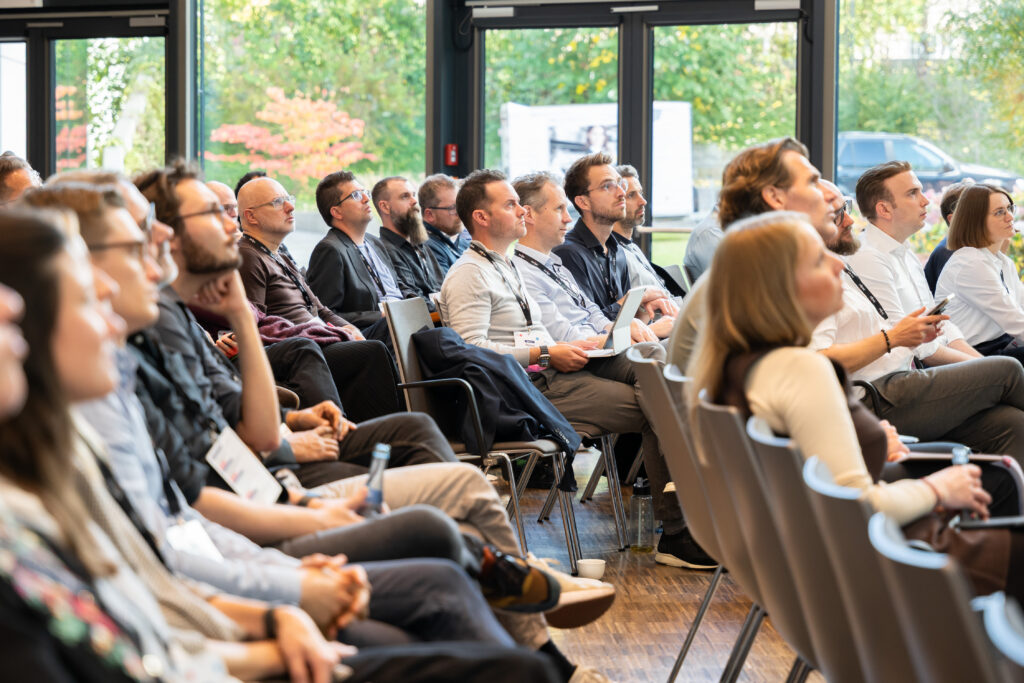
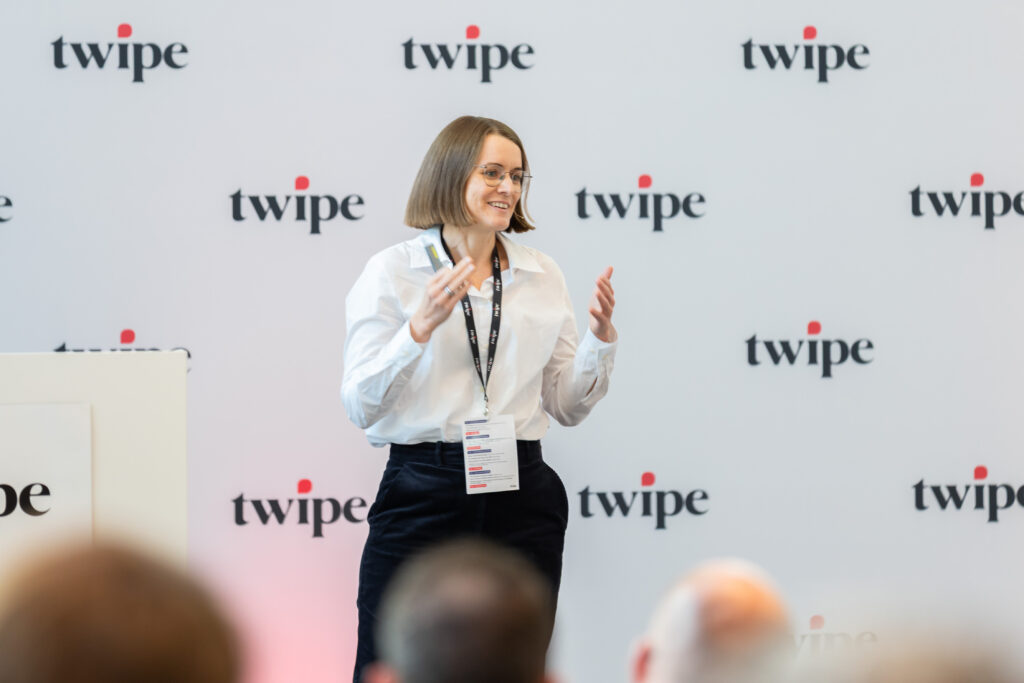
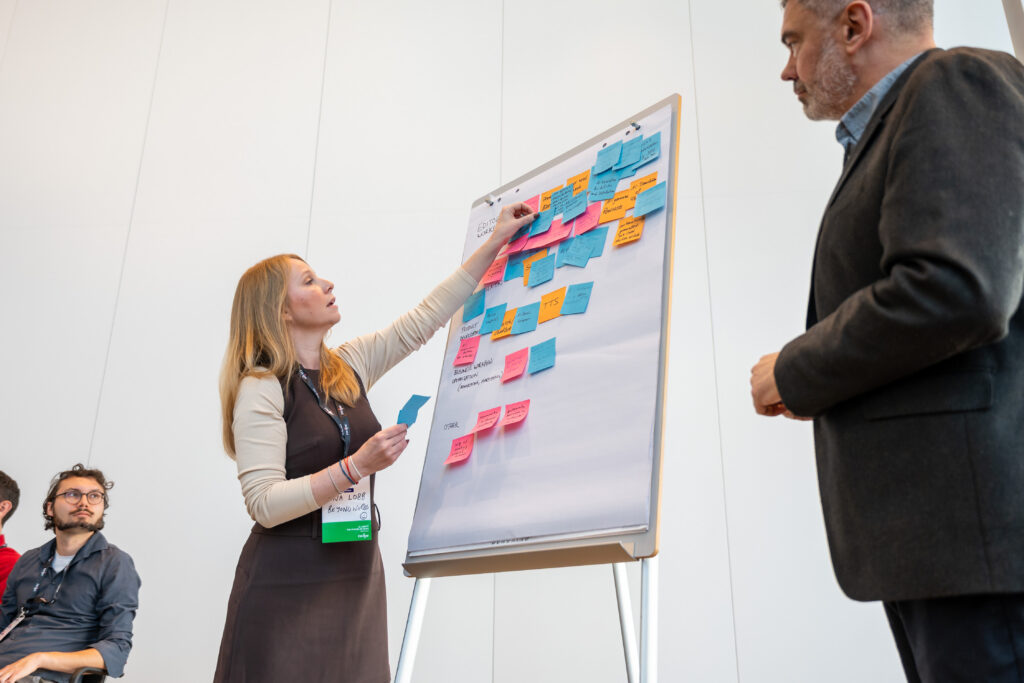
These conversations do not stop when the event ends. At the Twipe Digital Growth Summit on October 15th in Leuven, we bring together over 140 media professionals for a day of case studies, workshops, and the kind of frank conversations that actually move the industry forward
This community — publishers, technologists, strategists — is stronger when it acts together. We hope to see you there.
Let’s shape the future of news. Together.
Other Blog Posts



Stay on top of the game
Join our community of industry leaders. Get insights, best practices, case studies, and access to our events.
"(Required)" indicates required fields