Seventeen speakers took the stage at the ninth Digital Growth Summit in Leuven on 15 October 2026. Here are some headline numbers that have stuck with us and what they mean for you.
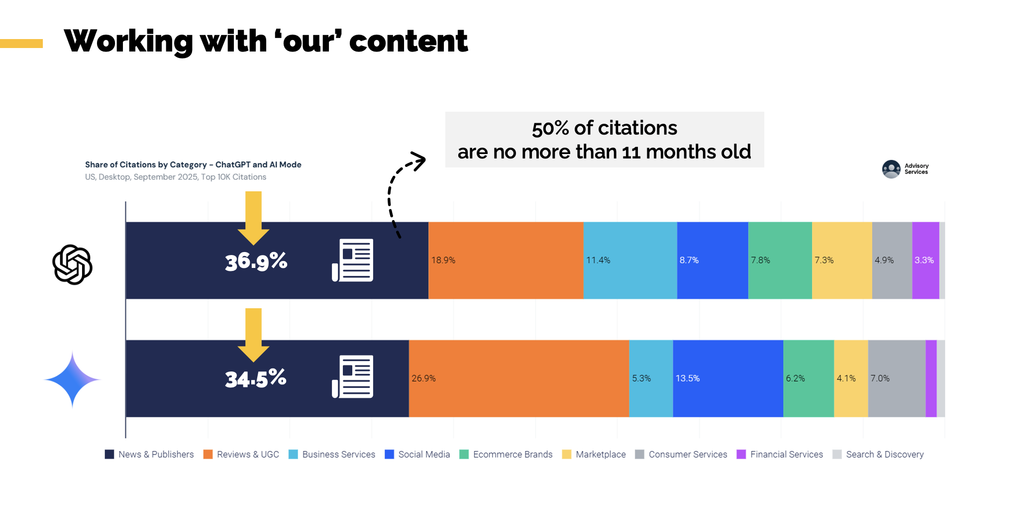
News represents 1/3 of the sources in AI answers
Ezra Eeman, Director of AI in Media at WAN-IFRA, shared that Similarweb, which measures web traffic, puts news publishers at roughly a third of all the sources cited in AI answers, most of it recent material. In short, publishers are not usually the reason anyone opens an AI session, but they are a large part of what it says once somebody does.
640:1, and sometimes 60,000:1
That is the range of bot-to-human traffic Kleine Zeitung found when it went looking for its machine audience. Working with TollBit, the Austrian regional daily let crawlers read everything for a month or two and counted what arrived. For every human reader, the bots turned up somewhere between 640 and 60,000 times over, depending on the crawler.
The shape of that traffic told the team more than the size did. Of the 50 most-crawled items, 48 were RSS feeds, which is simply the list of what the site published that day. The crawlers were not harvesting an archive to train a model. They were fetching the morning’s reporting to answer a question somebody had just typed. Sebastian Krause, the paper’s Head of Product & Data, had argues that this makes the bots a growing audience and not necessarily a theft problem.
Read our conversation with Sebastian Krause on Kleine Zeitung’s bot strategy.
$760 billion
This is what US big tech will put into AI in 2026, with no European company anywhere near that scale, according to Bart Becks, Founder of Genisys and Board Member of the European Innovation Council.
Two parts of the AI stack are already decided, he argued. Energy, because European power costs too much, and chips, because Europe cannot catch up to those manufacturers. Since nobody in Europe can win on spending, the opening lies in what accumulates over time and gets owned collectively. For media that means treating trusted, local, verified journalism as strategic infrastructure instead of as content to sell into somebody else’s stack.
55% against an average of 55
Fifty-five per cent of the audience for De 7, De Tijd’s daily news podcast, is between 18 and 34. The average De Tijd subscriber is 55.
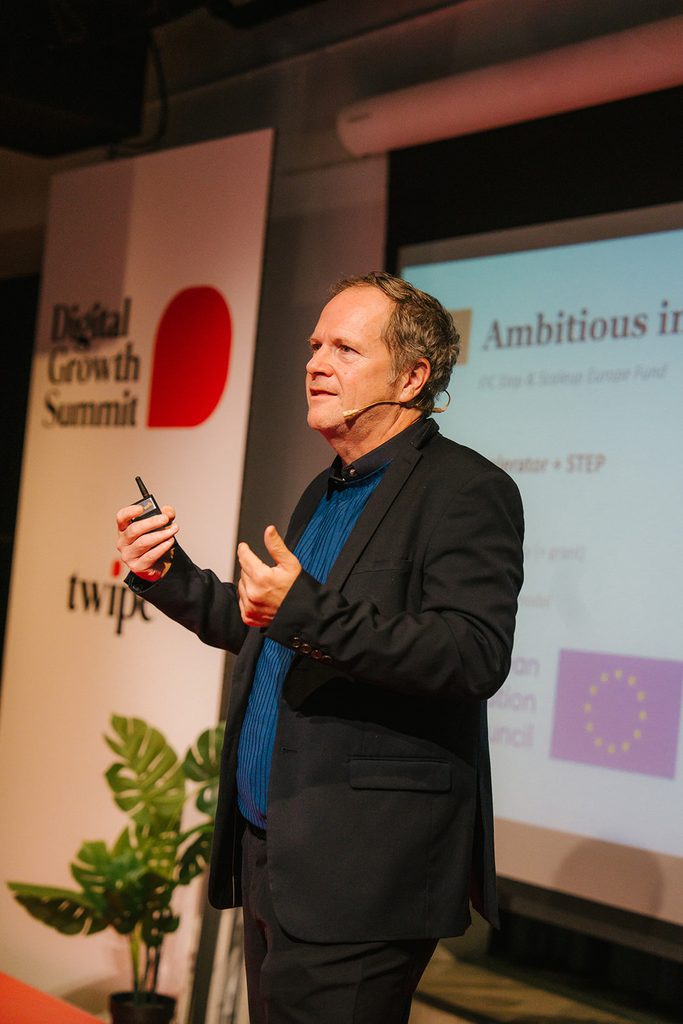
Karel Dierickx, who runs audio and video at Mediafin, spent much of his session on who owns that listening, because three quarters of it happens on Spotify and Apple. On the narrower question of who is listening at all, the age gap is the clearest evidence of the day that a single format decision can reach a generation a subscription business has been missing for years.
Read the Twipe Insights interview on audio at Mediafin with Karel Dierickx.
What the four numbers add up to
Each of these numbers is about terms somebody else set: what AI answers cite, what crawlers take, what Europe can still own, where a younger audience actually listens. In every case the publisher found out by measuring rather than assuming, which is the one move available to any title regardless of size.
Other Blog Posts



Stay on top of the game
Join our community of industry leaders. Get insights, best practices, case studies, and access to our events.
"(Required)" indicates required fields