Süddeutsche Zeitung (SZ) is not only one of Germany’s most respected news organisations, but it’s also one of the most deliberate in how it approaches mobile. Instead of repackaging print for smartphones, SZ has built a mobile product strategy that mirrors its subscription model, respects its editorial identity, and guides readers into digital-first habits.
Below are three takeaways publishers should consider when designing their mobile portfolio.
1. App architecture follows subscription strategy
Across the market, we see publishers split between two strategies: Either having a hybrid app combining live news and ePaper, or a dual-app strategy that keeps them distinct.
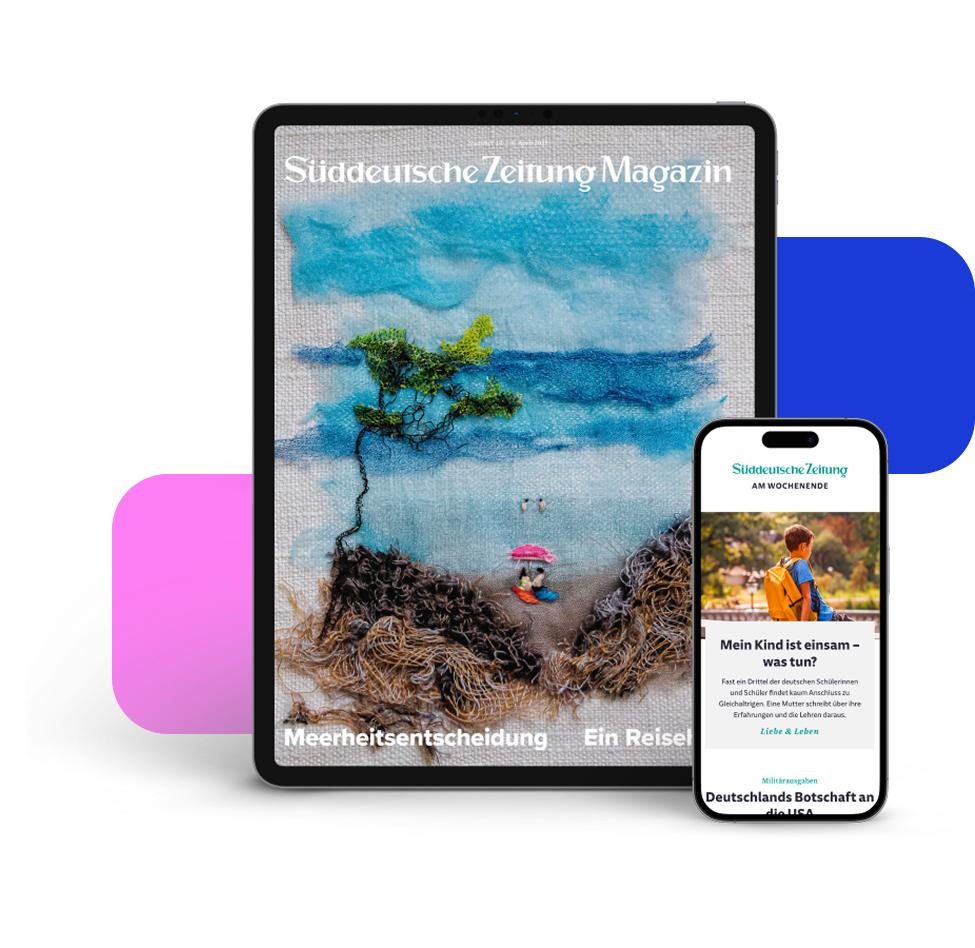
One of the first things you notice in the app store is that SZ belongs to the latter camp by offering two distinct products:
- An edition app dedicated to the digital edition (Süddeutsche Zeitung)
- A live news app for breaking stories, push alerts, and daily reporting (SZ Nachrichten)

This dual-app strategy isn’t inherently good or bad. Rather, it shows how SZ is aligning its app strategy with its subscription strategy: as a premium add-on. We see this price differentiation in other markets as well. In an analysis of the digital pricing strategies of 18 leading European publishers, we’ve found that the average monthly cost of a basic digital subscription was 15 EUR, while the addition of an ePaper increased this number to 26.05 EUR.

In short, Süddeutsche Zeitung’s dual-app approach is a strategic model that exposes a broader decision every publisher must make when shaping their mobile product portfolio. It shows that your app architecture should follow your subscription strategy.
2. How to modernize for new audiences without alienating core audiences
We’ve established that in SZ’s case, the digital edition fills a different strategic need than the live news feed. Within this digital edition app, we also see how SZ caters to different readers by offering two different reading modes:
- The traditional ePaper, ideal for long-time print readers and those who enjoy the structured, front-to-back journey
- And a “Modern Edition”, a digitally native version of the day’s newspaper based on templates not linked to the print edition

This Modern Edition renders better on mobile devices than a pinch-to-zoom reading and also presents a degree of hierarchy not linked to the print edition that is better suited to digital devices. This mobile-first thinking matters now more than ever. According to the Digital News Report 2025, the smartphone has become the primary device for news consumption, and its dominance continues to grow. A digital edition that maintains editorial hierarchy and renders beautifully on mobile is therefore essential. SZ’s approach shows how publishers can modernise the edition experience without sacrificing the structure and curation that make editions so valuable in the first place.
3. Use design and branding as a competitive advantage
SZ’s brand has always stood for quality, and its apps reflect that same level of craft. Every design detail carries the newspaper’s identity, from precise colour palettes and subtle background tones to consistent graphic elements, typography, and spacing that elevate readability. The result is a reading experience that feels curated and unmistakably “SZ”.

Yet the impact goes far beyond aesthetics. As Tom McCave, ex-VP of Performance Marketing, shared at the Digital Growth Summit 2024, a strong visual identity has become a strategic asset in the mobile era. A coherent design system strengthens trust, which is essential at a time when audiences are overwhelmed by platform-native feeds and rely on brand cues to evaluate credibility.
SZ’s thoughtful, calm presentation also supports longer reading sessions and habit formation, both of which directly influence retention and subscription value. Plus, since this level of design craft is difficult to replicate quickly, it becomes a competitive moat: a premium brand delivering a premium experience that sets a clear distance from lower-cost or generic alternatives. In a landscape where branding is once again central to reader loyalty, SZ shows what it looks like when design becomes part of the product strategy itself.
Takeaways for publishers
What SZ demonstrates most clearly is that there is still enormous creative and strategic room for publishers to shape what mobile news can be. Their approach isn’t a template to copy, but a reminder that thoughtful choices — about architecture, formats, and design — can create products that feel both true to a brand and genuinely built for the way people read today. As publishers look ahead, the opportunity is not to match SZ step for step, but to apply the same intentionality to their own strengths: to clarify what makes their journalism unique, and to let that guide how it shows up on mobile.
Learn more about how SZ has elevated its digital edition product with Twipe.


Other Blog Posts


Stay on top of the game
Join our community of industry leaders. Get insights, best practices, case studies, and access to our events.
"(Required)" indicates required fields